



Herb gardens don’t have to be complicated or time-consuming, although some invasive varieties like mint mean it’s best to plant others in their own containers so they don’t suffer.
If you have a small garden you can always make or buy wooden planters which have around six or eight individual sections to allow you to grow your favourites without wasting any space.
Even if you only have a window box, you can still grow a few herbs in it to enhance your cooking and provide a delicious scent. Whatever you do, try to put your herb garden as close to the kitchen as you can.
Most popular herbs are suited to containers. Sage, Rosemary and Thyme can withstand hot, dry conditions, while mint and the richly scented lemon balm seem to grow anywhere.
You can also easily grow annuals such as Basil and Coriander from seed and, if you just have a windowsill, you can still grow pots of Chervil, Marjoram and Parsley.
Some people grow herbs as fill-ins for their beds and borders, but if you want to devote a specific space to them, create a raised herb bed and grow the herbs in sections separated by dividers of wood, brick or concrete.
Pot herbs for the long-term in soilless compost like John Innes No 3, while annuals and those in windowboxes are better off with a lighter multi-purpose potting compost.
Most herbs need some sun during the day, well-drained soil and regular picking to keep the plant compact. While they can be grown from seed it’s best to buy them as small plants from garden centres.
You will probably need to buy a few plants of small herbs such as parsley to satisfy your needs.
Start work in the spring, feeding your plants with a liquid seaweed when you see growth beginning.
Once you start to reap your rewards in the summer as you pick the leaves, give the plant regular foliar feeds to encourage new growth.
Many herbs need protection in severe weather, so move them into a greenhouse or on to your windowsill before the first frosts.
You will find that some perennials, such as rosemary and sage, need renewing every few years.
Here are a few ideas of what you could include in your herb garden:
- Mint: Why not grow something other than the usual spearmint, Mentha spicata, classically used in mint sauce? Apple mint, M. suaveolens, goes really well with peas or new potatoes
- Fennel: This perennial with a strong aniseed flavour grows to around 4ft and has blue-green feathery foliage. Ideal used with salads, fish and soups.
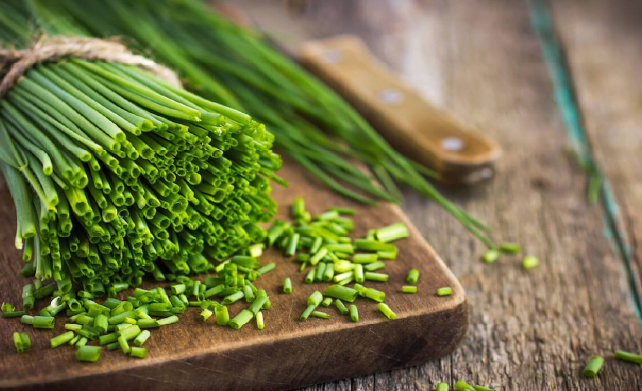
- Chives: A pretty plant fitting easily into a bed or border, producing globe-shaped purple flowers in summer from grass-like stems and growing to about 1ft.
Once well established, it can also be easily divided and replanted to fill in other spare areas in the garden.
The grass-like stems are snipped and used in cooking, giving a mild onion flavour to many dishes or added to sour cream as a jacket potato filling. For best-flavour stems, you need to remove the flower buds before they open.
- Tarragon: A rampant spreader, like mint, so be careful where you place it. Used widely in chicken and fish dishes, the spiky rosemary-like leaves of this herbaceous perennial need to be picked during summer.
- Sage: Another attractive plant which could be grown in a border. The bushy herb grows to around 2ft and produces violet flowers.
The leaves should be gathered regularly and the plant needs to be renewed every few years. Goes well in stuffing.
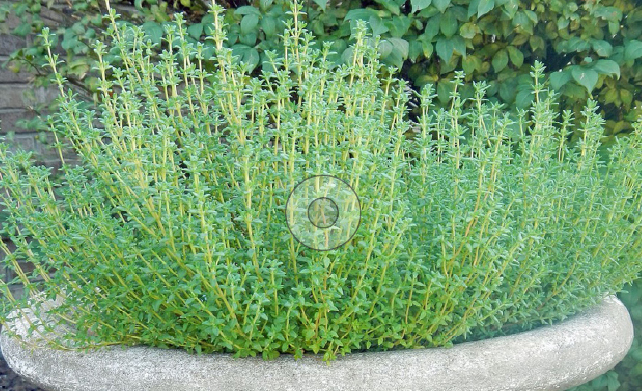
- Thyme: There are many different varieties which are generally perfumed and can be picked all year round, growing to only 9in.
This herb has many uses and goes well rubbed on the outside of meat before roasting. Creeping Thymes and Marjoram tend to hang naturally and go well in baskets or round the edge of a big planter.

Author: Jonny
Author of Gardening Life!