


But watch out for pests which can ruin all the months of hard work and preparation which go into creating thriving beds, borders, containers and vegetable plots.
Here’s a list of some of the most common troublemakers, how you can identify them and what symptoms your plants will suffer, as well as a few tips on how to get rid of them.
- GREENFLY AND BLACKFLY: These aphids are the main enemies of the garden, sucking the lifeblood out of plants by sticking to their stems and sucking out the sap.
You can see them crowding on stems and buds of plants and often the leaves will have holes and be distorted and the leaf surface will become sticky with honeydew excreted by the aphids.
And they are not fussy about the plants they choose. To alleviate the problem you can rub the aphids off with your fingers and then spray the plant with water, or spray them with a soft soap insecticide, derris or pyrethrum.
- WOOLLY APHIDS: They attack fruit trees and vines, leaving what looks like white candyfloss on the bark of apple trees, pyracantha and cotoneaster in summer.
They are pinkish-brown and are mainly seen around old pruning cuts in late spring but in the summer they spread to younger, healthier branches and cause knobbly swellings.
As soon as you spot the symptoms, spray the tree with pirimicarb or dimethoate – ask at your garden centre for brand names containing these ingredients.
- VINE WEEVIL: Both the larvae and the adult beetles cause damage by feeding on the roots of plants in pots and on the ground.
The larvae, creamy-white grubs with brown heads, live in the soil and feed on roots which results in poor growth followed by wilting and death of the plant.
They are partial to the roots of cyclamen and primulas. The adults, which are around 9mm long with black, pear-shaped bodies, work above ground, eating leaves of shrubs and vines.
Larval damage is seen mostly between autumn and spring. They need to be controlled by hand or by using biological control nematodes, which should be watered into the potting compost in late summer.
- WOODLICE: These little insects with hard shells are often found in dark, dank corners under pots or logs and stones and can damage seedlings and cause big, uneven holes in leaves. They feed mainly on dead plant material so don’t leave old plant debris, empty pots and boxes lying about.
- APPLE SAWFLY: The maggots will bite through apples leaving an excrement inside and fruits will fall in early to mid summer, while more mature fruits will end up misshapen or with large swirly scars.
To stop it, you need to destroy any fallen apples and spray the tree with derris when the blossom has fallen.
- LEATHERJACKETS: The larvae of craneflies are greyish-brown grubs up to 45mm long which live in the soil and cause damage to lawns, creating yellowish-brown patches in summer where they have chewed the roots.
They can also kill young plants in the flower border and love brassicas. The best solution is to keep the ground weed-free, or cover small areas of lawn with black polythene overnight after heavy rainfall.
This encourages the grubs to the surface, where they can be removed when the polythene is lifted.
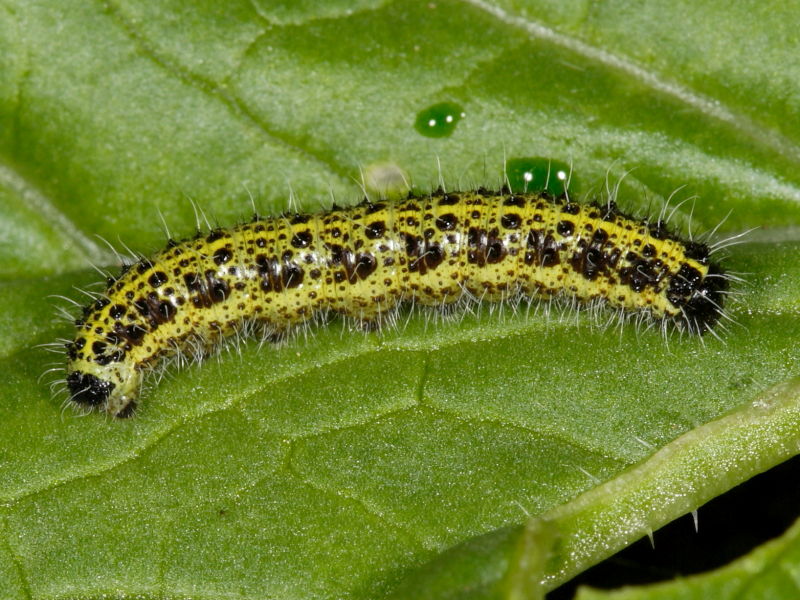
- CATERPILLARS: These butterfly larvae chomp through leaves and defoliate shrubs and trees.
They should be picked off when seen or sprayed with Bacillus thuringiensis, a bacterium that exclusively kills caterpillars.
You might get it from your garden centre, but more often sold by mail-order firms advertising through gardening magazines.

Author: Jonny
Author of Gardening Life!