

A MAJOR new survey has revealed that most women in Cleveland feel unsafe at night in public spaces.
In the “Her Safety, Our Priority” survey – carried out by the Office of the Police and Crime Commissioner – 87% of respondents felt unsafe in town centres after dark. That figure increased to 87.1% in the area’s parks and green spaces.
Visible drug and alcohol use, aggressive begging, antisocial behaviour, groups gathering in public spaces and incidents of intimidation all left women and girls feeling unsafe.
Hartlepool, Stockton, Middlesbrough and Redcar town centres were highlighted as the places where women felt most unsafe.
A spokesperson for the survey said: “Within town centres, transport hubs, cashpoints, shopping centre entrances, fast food outlets, seating areas in cafes and public meeting points were places causing the most concern. Albert Park was the green space most frequently highlighted as an area of concern. However, women also pointed to Stewart Park, Ropner Park, Burn Valley, John Whitehead Park, Linthorpe Cemetery, Tees Barrage, river paths, woodland areas and coastal routes as raising safety worries.”
They went on: “Across Cleveland, it was men’s behaviour, which made women feel most unsafe – with harassment being a routine part of many women’s lives. In the consultation, female respondents said they had experienced sexualised comments (50.1%), inappropriate gestures (42.2%) been followed (26.5%) or unwanted physical contact (17.8%.. The built environment has a massive impact on how safe women feel. Poor lighting, alleyways, tunnels, underpasses and bridges, isolated paths and cycle routes, over-grown vegetation and areas without CCTV all present safety concerns.”
The spokesperson added: “Avoiding certain locations, not going out after dark, changing travel routes and sharing live locations with family and friends are just some of the strategies, which women employ to keep safe. Many of the women surveyed also carried personal safety devices and rely on other people to go with them when they go out. There is little confidence in the justice system with many lower level incidents of harassment going unreported, leading to harmful behaviour becoming normalised.”
In the survey, women and girls were clear about what they want to change. They want:
- More visible policing and enforcement;
- Improved street lighting, CCTV and better public space design;
- Stronger consequences for offenders;
- Victims to be taken seriously and supported when they report incidents;
- Education for men and boys around respect, consent and appropriate behaviour;
- More proactive door staff, support from Street Angels and dedicated safe places in town centres, where women can seek help, when enjoying the night time economy.
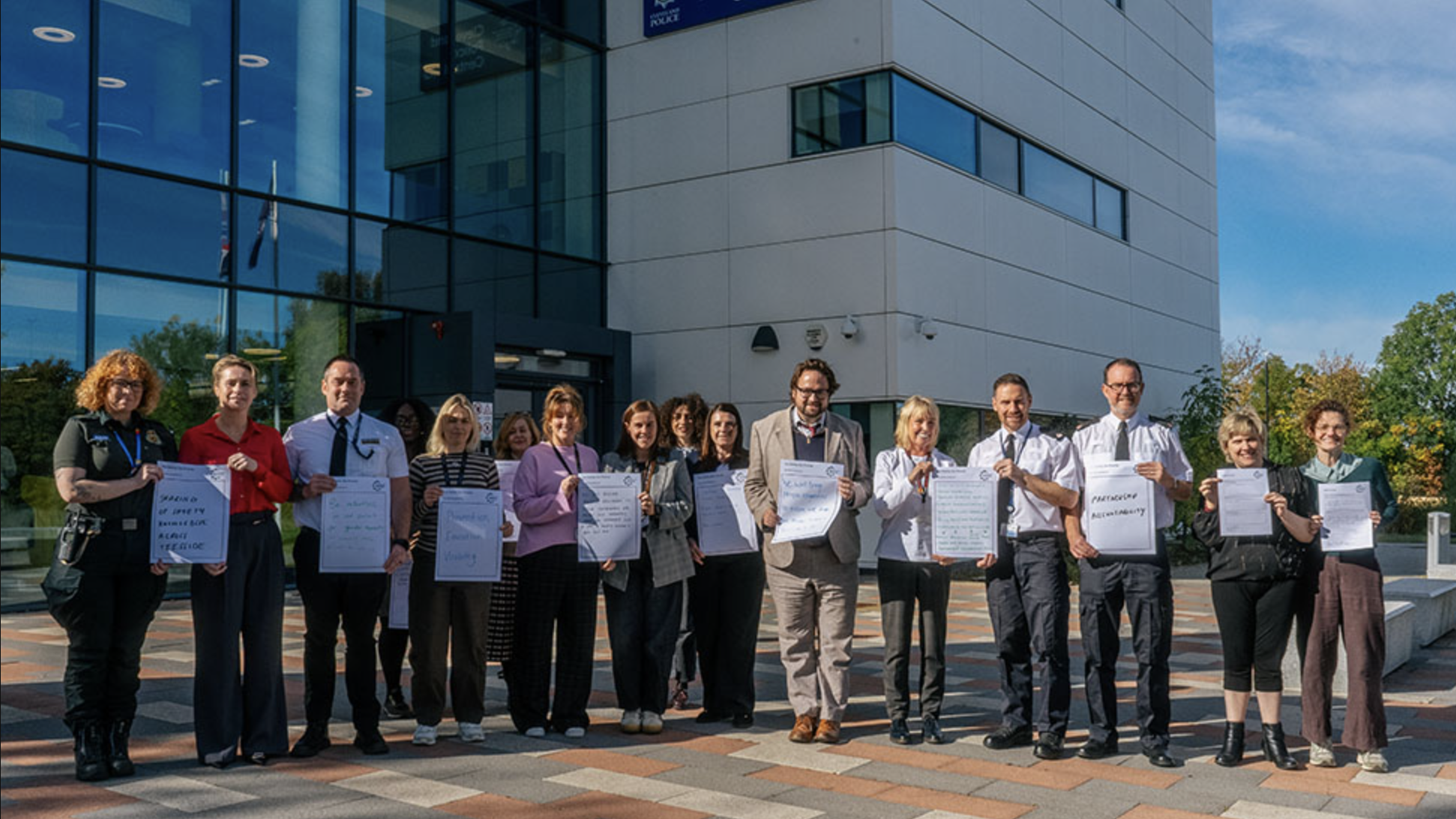
The findings of the “Her Safety, Our Priority” consultation were unveiled at a special event at Cleveland Police’s Central Headquarters which was attended by representatives from the area’s local authorities, police, women’s groups, third sector organisations, health and housing providers.
They debated what they could do to improve safety and help address violence against women and girls (VAWG.)
While many pointed to work already taking place in communities across Cleveland, most attendees felt more could be done. Many felt that the issue of women’s safety should be embedded in any discussion about improving community safety and confidence.
Cleveland PCC Matt Storey said: “The message is clear – women and girls don’t want to change their behaviour – they want the behaviours, systems and environment around them to change. They want a wider cultural change, which shifts responsibility away from women and girls to address the behaviour, which is at the root of making them feel unsafe.”
He added: “Improving safety for women and girls will require a coordinated response. It needs to combine visible enforcement, safer environments, stronger accountability and improved victim confidence. This will ultimately lead to long-term cultural and behavioural change.”
