

The eagerly awaited documentary about the 16, December 1914 attack on Hartlepool by German warships in 1914 – The Hartlepools Bombarded – has its premiere when it opens the Tees Valley International Film Festival on Thursday, 12 November. A week ago, there were a mere five tickets remaining.
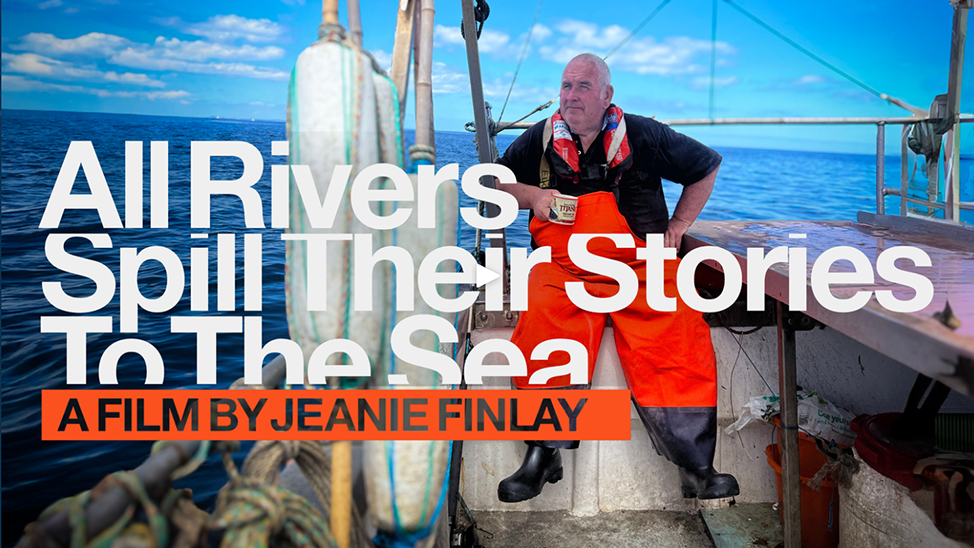
Meanwhile the powerful documentary All Rivers Spill their Stories to the Sea – about the plight facing Hartlepool fishermen – is proving a big hit on cinemas nationwide and was described by the influential Hollywood Reporter as “a David and Goliath story of epic proportions”.
The BBC’s renowned film critic Mark Kermode said it was “a powerful story, told with poetry and humour from one of our leading documentary makers” while renowned journalist Tina Brown described its leading character as being similar to “Mr Bates vs The Post Office”.
Made by Teessider Jeanie Finlay, the documentary centres on Stan Rennie, the last of a long line of fishermen who have worked the same stretch of coastline for centuries.
A spokesperson for the movie said: “When a mysterious tidemark of poisoned crabs and lobsters devastates a small North East fishing town, Stan Rennie’s life is turned upside down overnight. Faced with ambivalence from those in power, grief soon gives way to a turbulent quest for answers, led by the unlikeliest of rebels. A wry David and Goliath story, told with gallows humour and a strong local accent, about the pain and power of navigating a world with has suddenly, and inexplicably, changed forever.”
On Sunday, 15 November, members of the public will be able to talk to Jeanie and Stan when they hold a question and answer session at Hartlepool Town Hall Theatre after a screening of the movie. The show starts at 4pm with tickets available now.
Action and dramatic sequences for The Hartlepools Bombarded were filmed in and around the Headland’s Heugh Battery Museum, including reconstructions of the military response to the German attack.
At the heart of the documentary is 12-year-old Maisie Maddison, from Shipley, who has undertaken her own research into her family’s remarkable connection with the bombardment. Maisie researched the experiences of her relatives and wrote about their story. In the film she talks about what she discovered and introduces audiences to the experiences of her great-grandmother Annie and Annie’s baby sister, Eleanor Neacy.
As a young girl, Annie experienced the bombardment first-hand. The family’s story recalls her handing baby Eleanor to a shopkeeper shortly before the building was struck. Annie witnessed her sister being killed before running for miles to reach safety. Eleanor is widely reported as being the youngest victim of the bombardment.”
Director Mick Child said: ““When we first discussed this film, I imagined something lasting around 12 minutes, using material we had already filmed for The Baby Killers. Then the Tees Valley International Film Festival stepped in and offered its support, and suddenly the
possibilities became much greater. Every time we returned to Hartlepool, another story emerged and another person offered to help. Before we knew it, our little 12-minute film had grown into something approaching 40 minutes.”
He went on: “What has made this film possible has been the extraordinary generosity of people.
Historians have shared their knowledge, museums and heritage organisations have
opened their doors, actors and crew have travelled from across the North East and
Yorkshire, and families have trusted us with their stories. For me, this film isn’t really about the calibre of a gun or the movement of a warship. Those things are important, but ultimately it is about the people underneath the shells.”
Mick added: “If someone watches the film and then wants to visit Heugh Battery Museum, look for a name on a memorial, investigate their own family history or simply learn more about
what happened here on 16 December 1914, then we will have achieved something
worthwhile.”
