



If you want some interesting shapes, or even just a simple low hedge, box is a very popular choice. It looks good all year round, clips neatly and holds its shape.
Box has long been used to add colour and structure to gardens and once the shape has been created, it’s simply a case of annual trimming to maintain it.
June is when the plant puts on strong growth and often established plants may need to be trimmed a couple of times a year, once during the first half of June and then, again, in September to shape up for the winter time.
A word of advice, whatever you use, hand shears, or hedge cutters, please ensure they are sharp, as blunt clippers will spoil the appearance. Take it slow, trim a little, stand well back and have a good look, then simply trim a little more until you’re happy with the shape.
Unfortunately, the dreaded blight can spoil all your hard work. The fungal disease spreads in damp conditions and can kill plants. Good air circulation and spacing plants well and pruning lightly in dry weather helps.
Water at the base to keep leaves dry and remove fallen leaves to reduce fungal build-up. Feeding with compost or a natural fertiliser boosts plant health but avoid high nitrogen fertilisers that encourage soft growth, as this can be the cause of blight.
LOOK out for small tortoiseshell butterflies.
Once common in gardens, their numbers have fallen, but June is when the midsummer brood is on the wing.
Enjoy birdsong this month because by July, most birds will have fallen silent. And watch out for bats at dusk.
NOW is the time to prune ‘Group 1’ early flowering clematis such as Alpina,
Montana and Armandii that bloom February to May, flowering on the previous season’s growth.
Stems can be cut back straight after flowering, to encourage new growth and flower buds for next spring.
A yearly trim keeps vigorous plants a manageable size.
GIVE borders a summer boost with these timely jobs:
– Let the light in. Prune back overhanging branches to help increaase the sunlight to plants underneath
– Plant in swathes, packing in groups of plants to provide a riot of colour and make far more of an impact than dotting them around.
– Support tall plants such lupins, delphiniums and dahlias and keep tying them in as they grow to prevent flopping or snapping
– Deadhead regularly. This not only keeps borders looking tidy but also encourages more blooms
– Keep on top of weeding
– Have potted plants ready to fill gaps that appear. The more plants you have, the less room for weeds
– And most importantly, water and feed regularly. Target water at plant roots and apply a weekly liquid feed to plants in full growth.
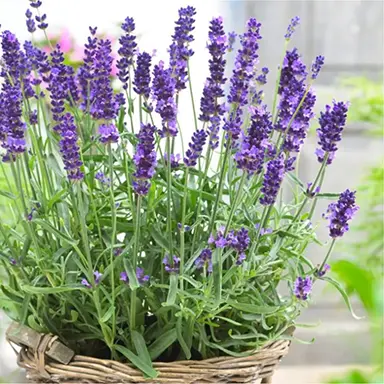
Harvest lavender
LAVENDER is best picked in the morning, when the oils are most pungent, and as soon as half the individual flowers have opened on a stem. It is best dried as a bunch with the stems tied together, thenhung upside down in a warm, dry place out of direct sunlight.
Cut back pulmonarias
ONCE pulonarias have finished flowering and temperatures rise, their leaves can become covered with a white coating. This is powdery mildew and it generally affects plants under stress. Pulmonarias prefer a cool, moist soil and mildrew generally means the plant is too dry. Cut off diseased foliage close to the ground, water and mulch with compost and your plant should produce a fresh crop of leaves in a couple of weeks. If possible, move them to a cooler spot and incorporate plenty of compost and leaf mould to the planting hole.
Keep picking sweet peas
ONCE sweet peas start to bloom its important to keep picking them, otherwise they will quickly start to form seedpods and will stop flowering.
The flowers last longer if they’re cut in the morning or evening, as they’re less likely to wilt. As you’re snipping, look out for and be sure to remove any seedpots.
By picking every three or four days you should b e able to keep them blooming for at least three months.

Author: Jonny
Author of Gardening Life!