


It’s a time to enjoy your garden in full bloom, but it’s also a time to harvest and carry out essential jobs and plan for the cooler months ahead.
From picking vegetables and ripe fruits and vegetables to giving the flower beds a spruce-up and preparing soil for autumn, here are some of the jobs to focus on to keep your garden thriving and staying productive through late summer and ahead.
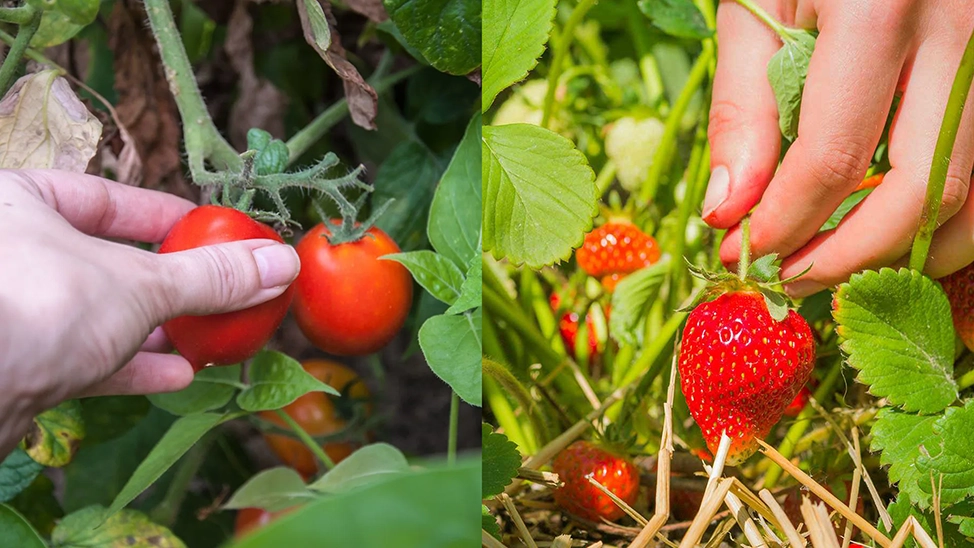
August is a great time to harvest ripe tomatoes. Keep picking regularly to encourage more fruit and enjoy fresh summer flavours
Along with tomatoes, other crops like courgettes, beans, cucumbers are often reach their peak now, so be sure to pick regularly to encourage continued production.
Check berry bushes and fruit trees, as raspberries, blackberries, and apples can all be ready to pick. Harvesting on time helps prevent over-ripening and reduces the risk of pests and diseases.
Watering, particularly after the recurring heatwaves this summer, remains a crucial task, especially for container plants and any new additions to your garden.
To make the most of watering efforts, it’s best to do so in the early morning or late evening when evaporation rates are lower. Applying mulch around plants helps retain moisture and keeps roots cooler during the heat. Feeding plants that are still flowering or fruiting with a balanced fertiliser will keep them nourished and vibrant throughout the month.
Deadheading flowers is a simple yet effective way to prolong blooming, particularly for plants such as roses, dahlias, and geraniums.
Removing faded blooms stops the plant from putting energy into seed production, encouraging it to produce more flowers instead.
Tidying up any yellowing or damaged foliage also helps maintain plant health and reduces the chance of disease.
August can also be a good time to start pruning some summer-flowering shrubs lightly to encourage healthy growth and maintain shape. Cutting back herbaceous perennials that have finished blooming will prepare them for fresh growth in the cooler months. Clearing out any dead or diseased plants is a key part of keeping the garden healthy as the seasons change.
Preparing your soil now by adding compost or well-rotted manure helps improve its fertility for autumn and winter planting. Planning ahead for crops like garlic, shallots, and broad beans gives you a head start for next year’s garden.
Keep a close watch for pests such as aphids, slugs, and caterpillars that thrive in warm weather. Regularly inspecting your plants and using natural or chemical controls as needed will help keep these unwelcome visitors in check.

Author: Jonny
Author of Gardening Life!