

A new partnership between Tees Rivers Trust and Hartlepool Borough Council has resulted in native oyster hoists being reinstalled at the Museum of Hartlepool – creating a public oyster nursery which will play a vital role in the Trust’s wider ambition to restore native oyster populations throughout the Tees Estuary.
The installation is part of a long-term programme to establish a native oyster reef within the estuary and reintroduce this once-abundant species to the Tees for the first time in more than 100 years.
Councillor Rob Darby, chair of Hartlepool Borough Council’s Housing, Growth and Communities Committee, said: “We are delighted to be working in partnership with Tees Rivers Trust on this exciting and fascinating project. The Museum of Hartlepool provides a fantastic location for people to see conservation in action, and we hope visitors will enjoy learning about native oysters and the important role they play in supporting healthy marine ecosystems. Our collaboration with Tees Rivers Trust supports the protection and enhancement of Hartlepool’s coastal environment for future generations.”
The oyster nursery will be monitored monthly, with visitors to the Museum of Hartlepool invited to take part in regular monitoring sessions and learn more about this fascinating species. Additional hoist cages are planned over the coming months, helping to gather valuable information that will support future oyster restoration efforts across the estuary.
“These oysters are true ecosystem engineers,” said Ben Lamb, Chief Executive Officer of Tees Rivers Trust. “Each oyster can filter up to 200 litres of water every day, helping to improve water quality and creating the conditions for a healthier, more resilient river environment. Bringing native oysters back to the Tees is an important step towards restoring the estuary’s natural heritage and supporting biodiversity for future generations.”
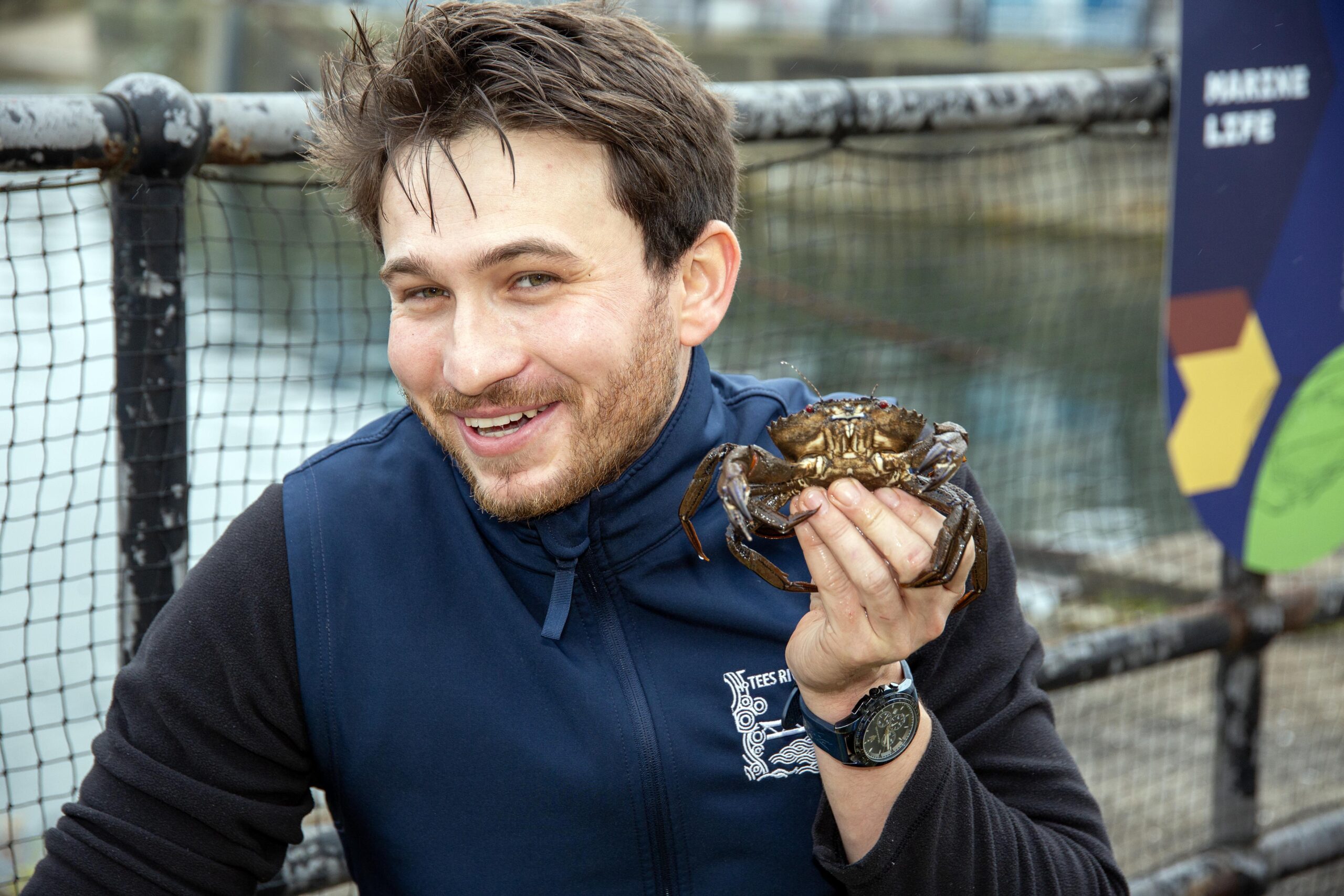
The benefits of the project extend far beyond water filtration. Monitoring of the Trust’s existing oyster nurseries at Hartlepool Docks and AV Dawson has shown that oyster structures quickly become thriving underwater habitats, providing shelter and feeding opportunities for a variety of fish, crabs and other marine life.
Tees Rivers Trust has been working across the Tees catchment since 2009, taking a whole-catchment approach to improving river health from source to sea. By working with local communities, businesses, landowners and partners, the Trust delivers projects that improve water quality, restore habitats and increase biodiversity throughout the region.
