


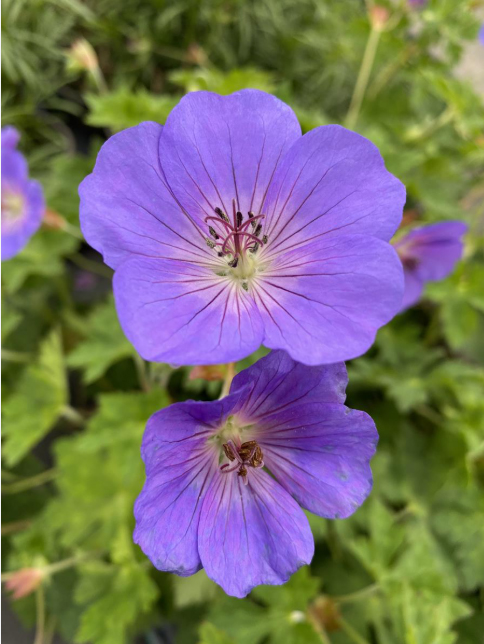
FEW perennials offer better value for money than hardy geraniums.
They are love-lived, easy-to-grow plants with one for virtually every garden situation. Attractive foliage and pretty flower colours lend them to a variety of garden styles.
Plant them this month when the soil is warm and they will establish quickly, giving you months of bee-friendly blooms. Geranium Rozanne, pictured, flowers and flowers all summer, it is a sprawler and will mingle through the border but it’s not invasive.
If you’re looking for a more natural, wild-flower look, the native meadow cranesbill, Geranium pratense, with its violet-blue flowers will do the trick from early summer onwards.
Marigolds
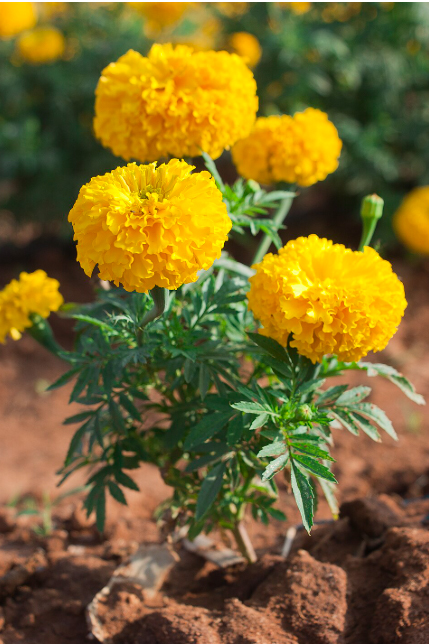
TO bring a sense of sunshine to your garden, there’s nothing like a marigold, with its vivid orange blooms and long growing season. It’s a great one to have in a kitchen garden as it’s pretty petals are edible, with a punchy, peppery taste, bringing a burst of sunshine to salads.
Sow them this month and in eight weeks’ time you will be basking in the glow of masses of orange flowers, they are one of the fastest-growing flowers.
Plant them in full sun, as marigolds hate sitting in wet soil. Sowing outdoors is the simplest option and keep the soil moist but not too wet as they start to shoot. After that, water less often as it pushes roots down and makes plants tougher. Pinch out the tips when plants are young for a bushier growth, feed lightly once they’re established, and keep deadheading to keep flowers coming.
Hardy Salvias
HARDY herbaceous salvias are a vibrant summer stalwart, perfect for a sunny spot.
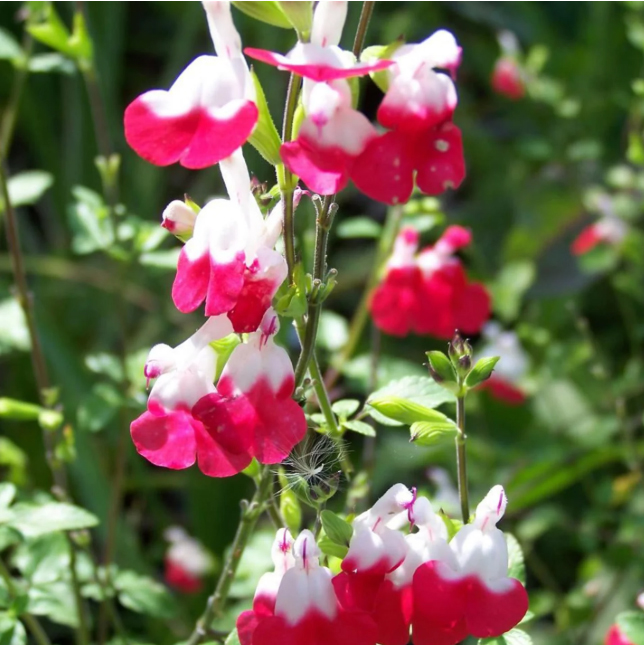
Flower colour is mainly blue/purple, and shines out in the evening light. There are also cool pinks, whites and a new one I bought at Malvern Flower Show this year, apricot. They all slot into the pastel palette of summer with ease.
h How to look after your salvias
When buying them from a grower, it’s to plant your newly bought pots straight into your garden or a larger pot within days of buying and water in well. And unless the weather turns extremely cold, they will be fine, but if in doubt, keep them in a sheltered spot in the garden until the weather turns warmer.
Your salvias will flourish in free draining soil, in full sun. But if you soil is on the heavy side, just add grit to the planting hole and mulch well, these perennials are very versatile and also do well in partial shade.
Keep them trimmed in July so they stay compact and neat throughout the season. Trim them half way and you will create a multi-stemmed and multi-flowering plant. They will be shorter and more compact. They won’t need feeding as they like less fertile soil and just an occasional water if we have an extreme summer.
In November once they finish flowering, mulch well and leave the stems intact until April. Then cut back to where the leaves are starting to show. This is exactly the same as if you’re growing salvias in a pot
h Hardiness rating
To know how hardy your salvia is, there is often a letter and number on the label. This is what they mean:
FH:H5 – down to -10 degrees and lower
H:H4 – happy between -5 and -8
HH:H3 – can cope down to -2

Author: Jonny
Author of Gardening Life!