

A READER and a friend wrote to me stating “they thought I had retired” from writing which, of course, was correct even though I have had more retirements than Frank Sinatra! My reply explained that I did retire from writing for Hartlepool Life after five years of meeting weekly deadlines. I was unable to keep pace with the expectations of the editor or readers of the best community newspaper in town. I also decided not to add another book to the 20 I had already published. At the time, they were good decisions especially when I had to spend time in James Cook Hospital undergoing heart bypass surgery. That led to a period of self-imposed social isolation which, in turn, led to predicted mental health issues which kick started my urge to write.
Subjects to date have included the demise of the coal industry, Royal Mail not delivering the service the public expect and the Hartlepool winner of the £1m prize in the Euro Lottery. I have no idea what will pop out of the brain fog and this time, for whatever reason, it was bingo.
The history of bingo in the UK can be traced to before WW2 when it was called “Housey-Housey” and before the simple game became a cornerstone of British social life.
Historians will tell you the game began, around 1530, in Italy with its origins in the Italian lottery Il Gioco del Lotto d’Italia from whence it spread to France and was played by the French aristocracy as “Le Lotto” before crossing the Channel in the 18th century.
In Britain, the 1960 Betting and Gaming Act was the most important event as, before this date, gambling was heavily restricted and regulated. On New Year’s Day 1961, many forms of gambling were legalised including commercial bingo halls. It gave Eric Morley, a television host, and founder of the controversial Miss World pageant and Come Dancing programme, the chance to use bingo to revive struggling dance halls and derelict cinemas, creating a new social hub for the masses. He acted quickly and founded the Mecca Leisure Group which would lead to profits of £20million a year and full houses almost everywhere in the UK. When Morley left Mecca, the £200,000 golden handshake was one of the highest a British company ever paid. He kept control of the Miss World Contest and thus cemented his place in UK history. Eric Morley was never knighted for his efforts – even though he once danced with a famous “not for turning” blonde – but his wife Julia Morley did receive a CBE in the 2022 Birthday Honours list for her charitable work.
Bingo, as a social evolution and cultural institution, thrived in the 60s and 80s, providing an affordable night out in working class communities and was particularly popular with women who formed a significant part of the playing public. It is also credited with transforming and extending the life of grand old cinemas and theatres with the first purpose built bingo hall being built in Cardiff. But the 30-year life of bingo started to decline after the 1990s due to several factors – which included the National Lottery’s growing popularity, the rise of the Internet, the 2007 smoking ban and the Covid-19 pandemic.
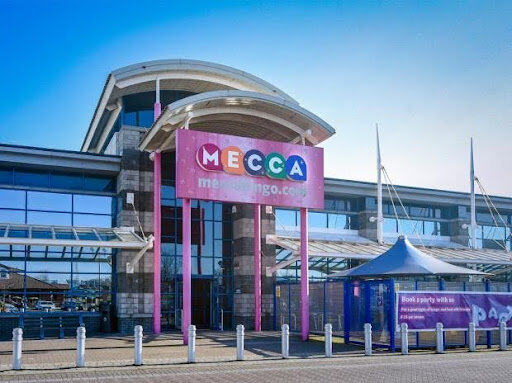
Just before it appeared as though the internet would deliver the final blow to bingo, in reality, it threw the old game a lifeline. The online version attracted many younger players and, by 2024, the UK virtual bingo market was estimated to be worth more than £1.3billion. That, of course, impacted on the number of physical bingo halls, which dropped to around 250, but so called “in person bingo” remains a popular social activity especially on Hartlepool Marina’s Mecca Bingo.
